Data & Analyses
Figures, analyses and data on electric mobility, charging infrastructure and fuels.
How is electric mobility developing in Germany? What is the stock of climate-friendly vehicles and how many are newly registered each month? How economical are alternative drives compared to conventional solutions? On this page you will find interactive dashboards with current figures and analyses on climate-friendly mobility. Whether electric cars, electric trucks, Total Cost of Ownership (TCO) for commercial vehicles or evaluations of funding programs – our data visualizations offer a transparent insight into the status and dynamics of the transport transition.
New registrations and stock of passenger cars, buses and commercial vehicles as well as charging infrastructure
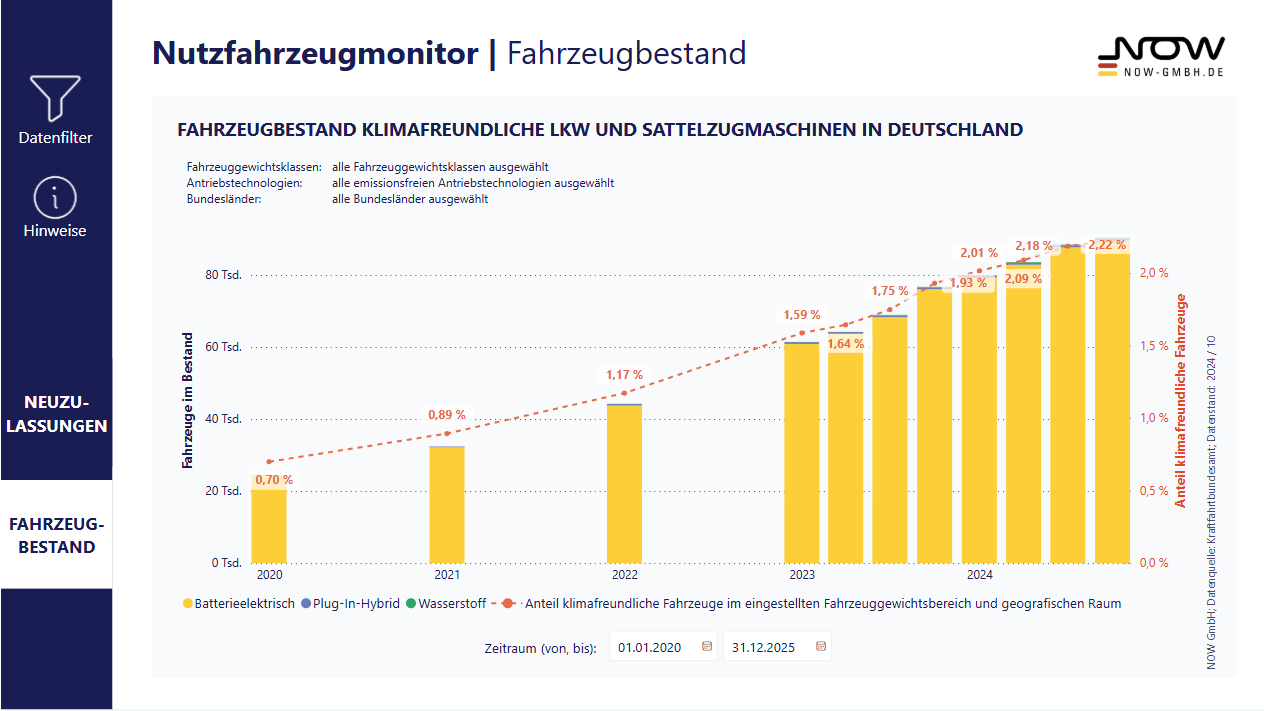
How is climate-friendly mobility developing in Germany? Our interactive reports and analyses provide insights into the new registrations and vehicle stock of passenger cars, buses and commercial vehicles – over the years and differentiated according to drive types. Special attention is paid to alternative drives such as electric vehicles and plug-in hybrids. In addition, we look at the expansion of the public charging infrastructure as a central prerequisite for the market ramp-up. In the topic reports, we look at specific market developments.
In the Commercial Vehicle Monitor, we specifically analyze the market for heavy commercial vehicles, including electric trucks and semi-trailer tractors.
Whether for market observation, political decision-making or strategic planning – these data bases support well-founded assessments of progress towards low-emission mobility.
All data on electric mobility?
Funding data climate-friendly mobility
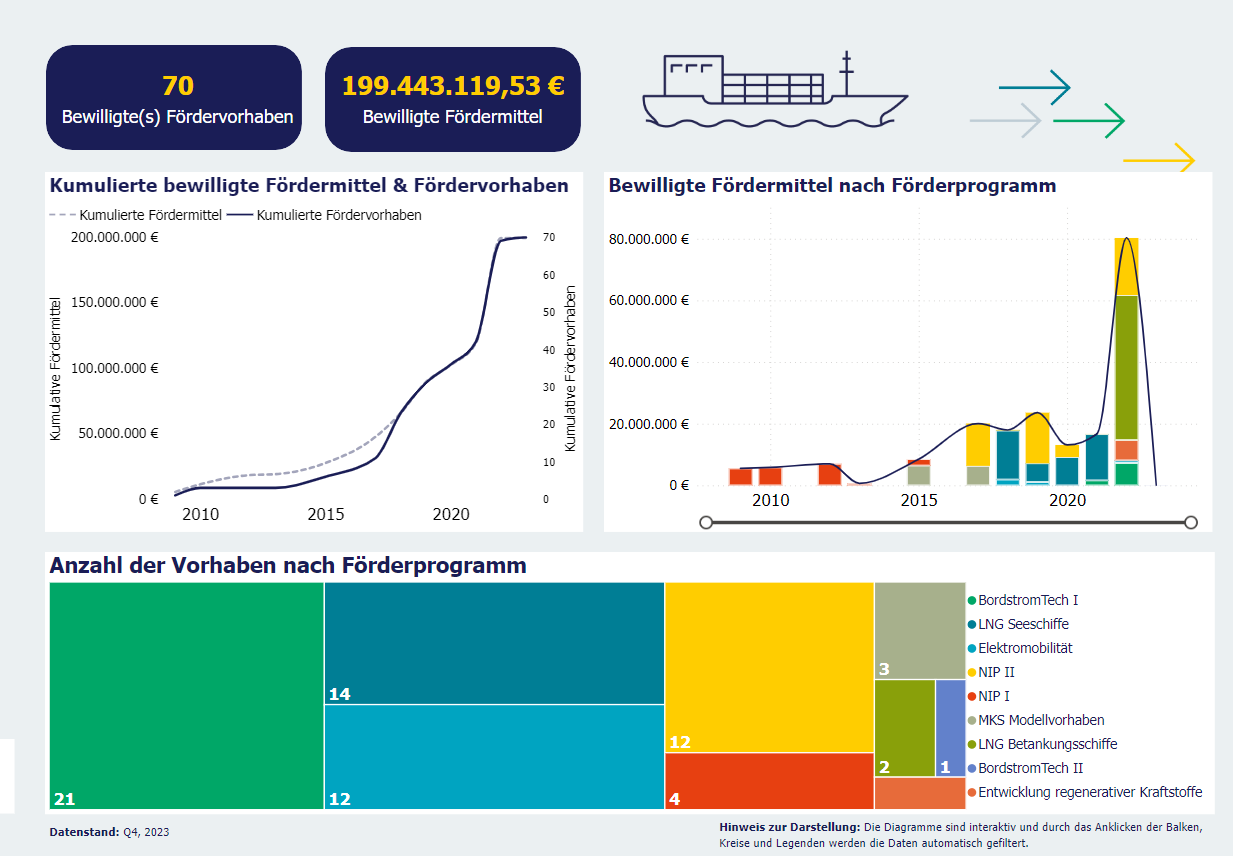
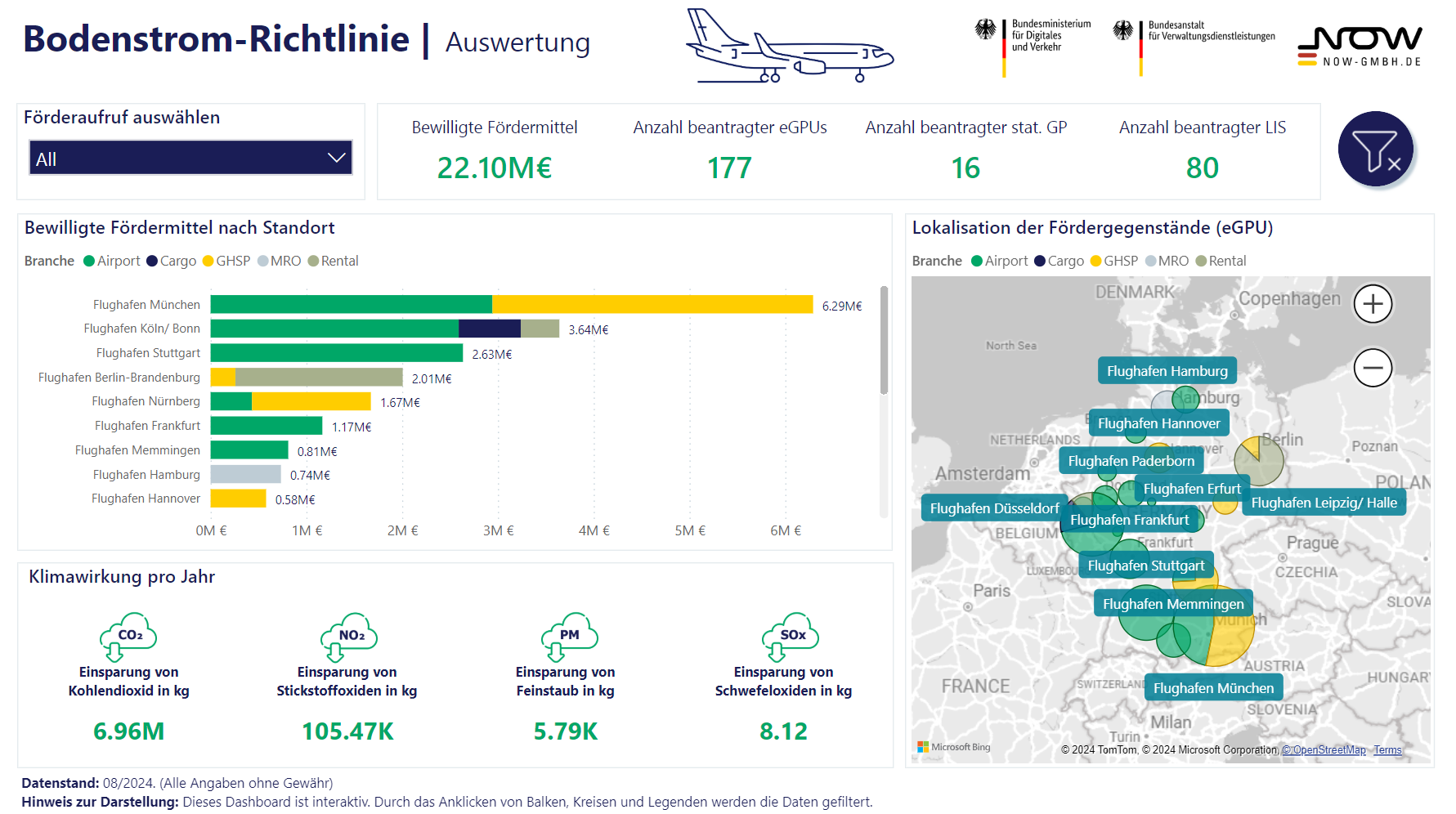
How much funding has been called upon so far for climate-friendly mobility – and how effective are the funded measures? In this section, we provide data and evaluations on various funding programs that support the market ramp-up of alternative drives.
Our dashboards show the development of approved funding and funding projects and provide information on the impact of the funding measures: for example, through CO₂ savings potentials.
The analyses help to better understand the success of existing programs and to further develop future funding strategies in a targeted manner.
TCO analysis of climate-friendly commercial vehicles
In general, there are already a large number of studies for determining the TCO of climate-friendly commercial vehicles. However, they are based on very different initial situations: assumptions for consideration periods, vehicle classes, drive technology and possible spatial scenarios vary greatly.
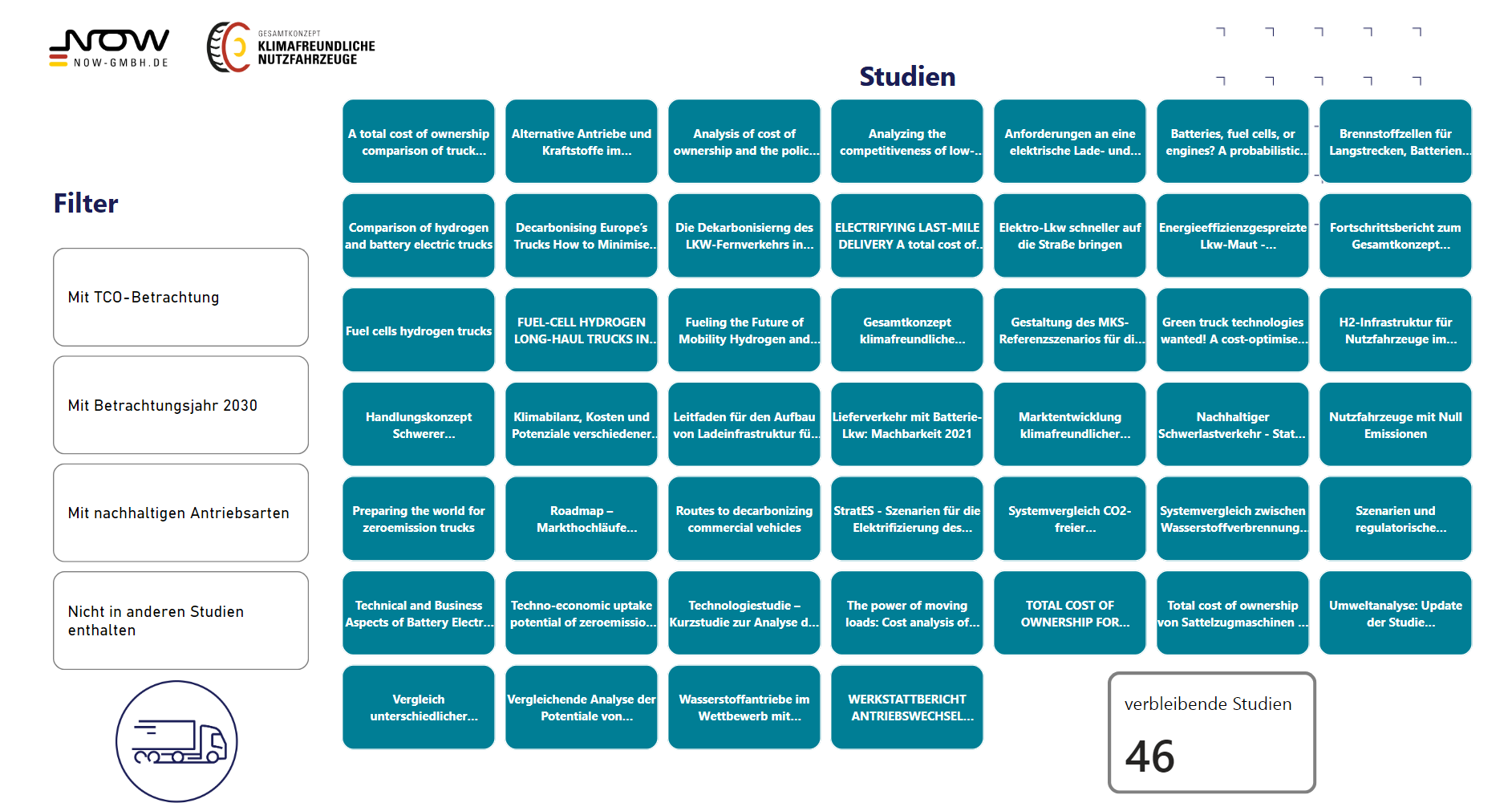
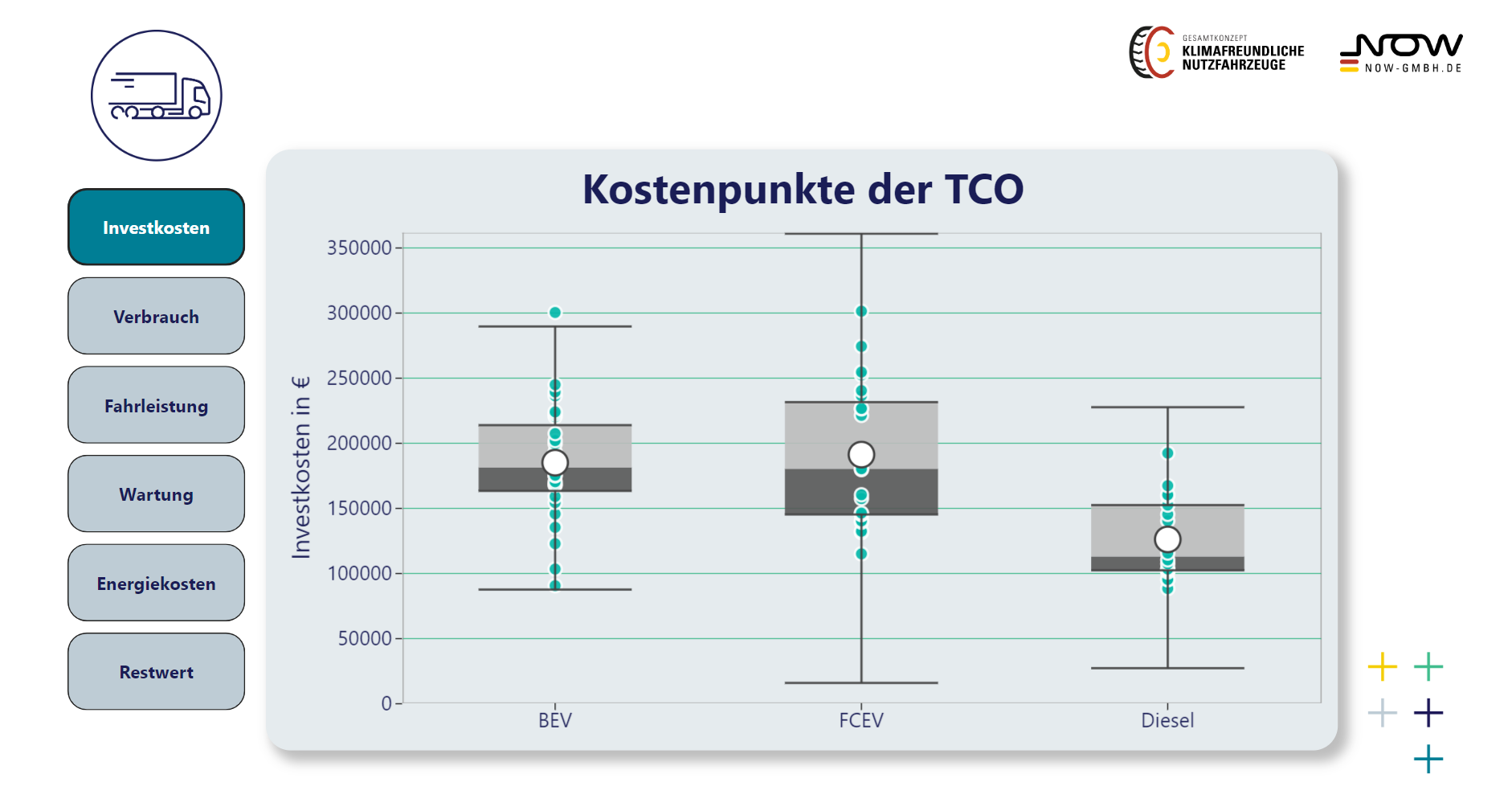
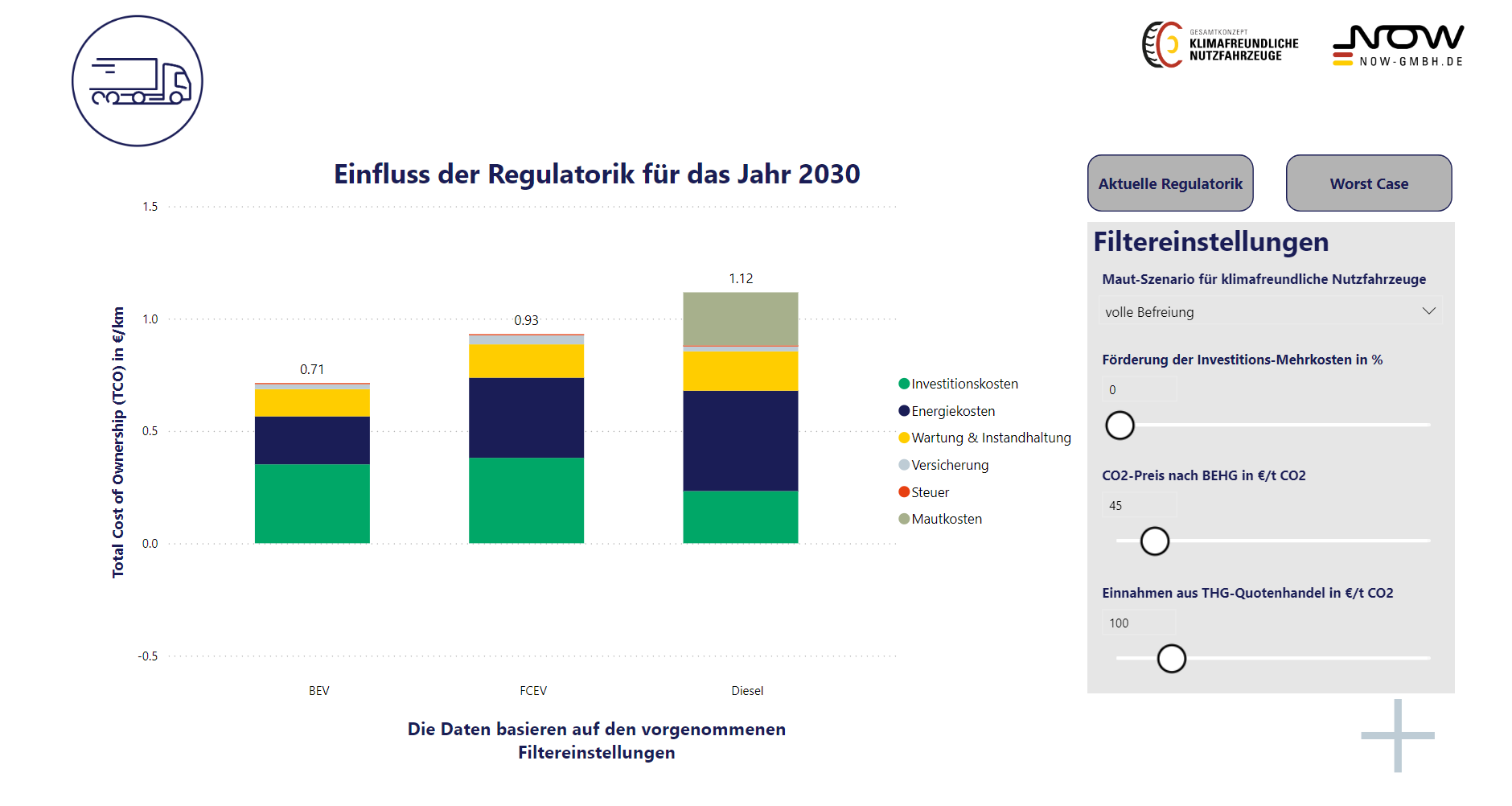
In order to obtain an overview of the range of existing TCO analyses and studies, EMCEL GmbH has prepared a meta-study on behalf of NOW GmbH. For the target year 2030, condensed statements from the meta-study are presented in the following (three) data stories. The aim of the meta-study and the associated analysis is to summarize the different assumptions and numerical values of all selected studies and to classify the values among each other for the target year 2030 – i.e. to set a framework for the forecasts of TCO values for climate-friendly commercial vehicles in the target year 2030.
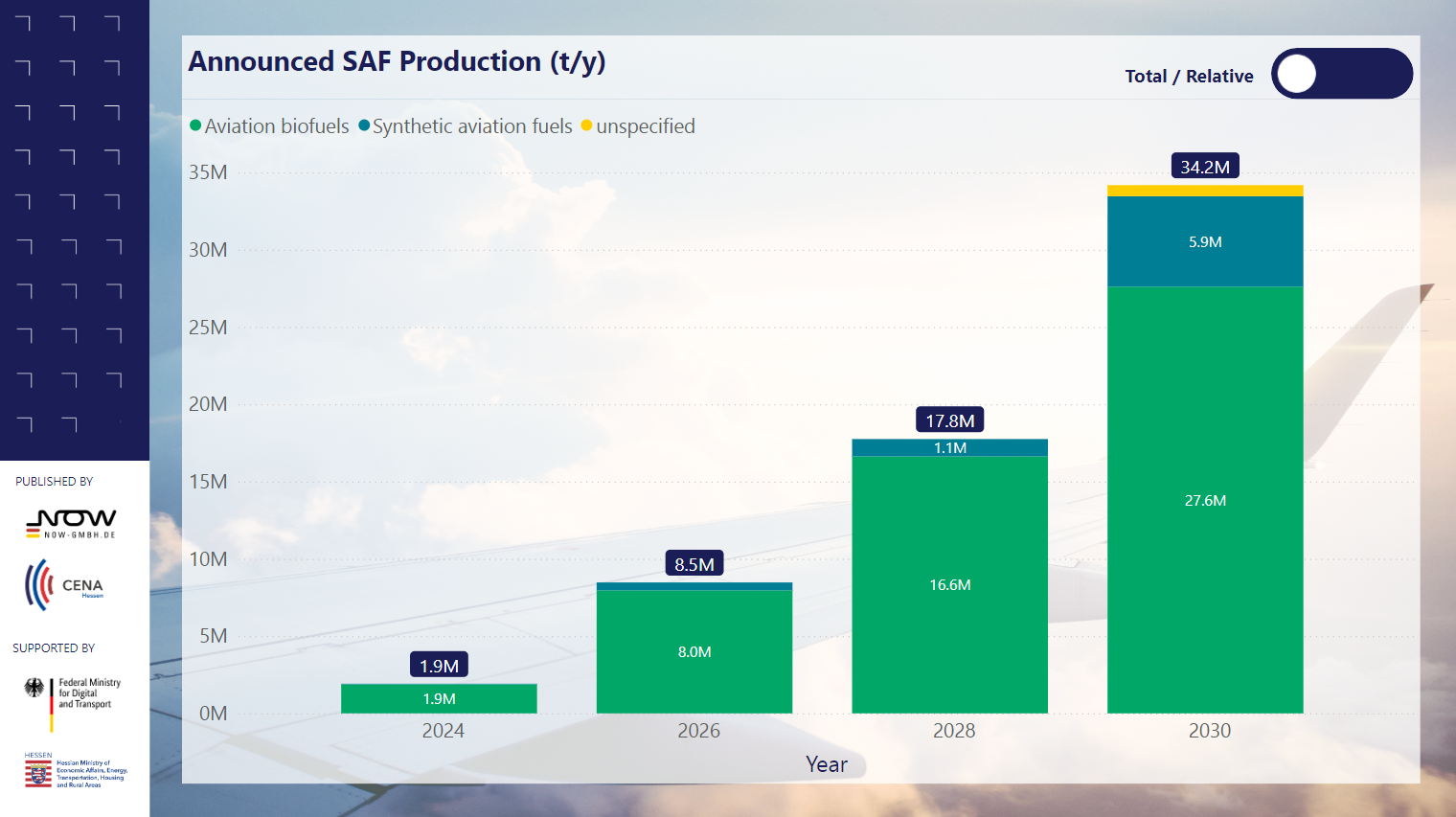
The future of aviation: Availability and development of sustainable aviation fuels until 2030
The availability of Sustainable Aviation Fuels (SAF) in the coming years is crucial in order to be able to meet the SAF quotas in the EU and in Germany. In order to present the development of availability, NOW GmbH and CENA Hessen have jointly created the SAF Monitor.